
The Maldives has two seasons, and the difference between them is thousands of taka per night. Here is when to go for the weather, when to go for the price, and when the two overlap.
The Maldives sits just south-west of Sri Lanka, close enough to Dhaka that the flight via Colombo or Dubai is manageable in a single day. The weather, however, is governed by two monsoons, and picking the wrong fortnight can mean paying peak-season rates for grey skies. Here is how the year actually breaks down.
The two seasons
The north-east monsoon, locally called iruvai, runs from roughly December to April. This is the dry season: calm seas, light winds, long hours of sunshine and excellent underwater visibility. It is also the expensive season.
The south-west monsoon, or hulhangu, runs from May to November. Rain arrives in short, heavy bursts rather than all-day drizzle, winds are stronger, and the sea is choppier. Resort rates drop substantially — often by 30 to 50 percent — and the islands are noticeably quieter.
Month by month
December to February is the peak. Expect near-perfect weather and the highest rates of the year, with Christmas and New Year commanding a premium on top of that. If you are travelling then, book six months ahead; the best water villas at mid-range resorts sell out first.
March and April are, in our view, the sweet spot. The weather is still reliably dry, the sea is warm and flat, and prices soften a little once the New Year rush ends. April is the hottest month, which matters if you burn easily, but it is also when visibility for diving is at its best.
May and June mark the transition. Rain becomes more frequent and the wind picks up, but you will still get plenty of sun between showers. This is when honeymoon budgets suddenly stretch to a water villa instead of a beach villa.
July and August coincide with the Bangladeshi summer holidays and European holidays, so rates tick up again despite it being the wet season. Surfers arrive for the consistent swell on the eastern atolls.
September and October are the wettest and cheapest months. If your priority is a quiet island and the lowest possible price, and you can accept the risk of a rainy afternoon or two, this is the window.
November is a genuine shoulder month. The rain eases, the sea settles and rates have not yet climbed to December levels. It is our most-recommended month for couples who want value without gambling on the weather.
What the weather actually means in practice
Rain in the Maldives rarely ruins a day. A typical wet-season pattern is a heavy downpour for an hour, then clear skies. What does affect your trip is wind: choppy water makes snorkelling less enjoyable, can disrupt speedboat transfers and occasionally grounds seaplanes. Seaplanes only operate in daylight, so a delay can mean an overnight stay in Malé — worth knowing when you book your international flights.
Diving, snorkelling and manta rays
Underwater visibility is best from January to April, when it regularly exceeds thirty metres. Manta rays and whale sharks follow the plankton, which follows the monsoon: from May to November they concentrate around Hanifaru Bay in Baa Atoll, and from December to April they move to the western atolls. If seeing mantas is the point of your trip, choose your atoll to match your month, not the other way around.
Practical notes for travellers from Bangladesh
Bangladeshi passport holders receive a free 30-day visa on arrival in Malé, provided you have a confirmed hotel booking, a return ticket and sufficient funds. There are no direct flights from Dhaka, so the usual routings are via Colombo, Dubai or Doha, and total travel time is six to eleven hours depending on the connection.
Budget realistically. The resort rate is only part of the cost: the transfer — speedboat, domestic flight or seaplane — can add USD 200 to 600 per person return, and it is non-negotiable once you have chosen an island. A resort forty minutes from Malé by speedboat can work out considerably cheaper overall than a marginally better-priced resort that requires a seaplane.
Finally, decide early between half board and full board. Resorts are closed ecosystems with no alternative restaurants, and paying à la carte for three meals a day will quietly double your budget.
Keep reading
 Destination Guides
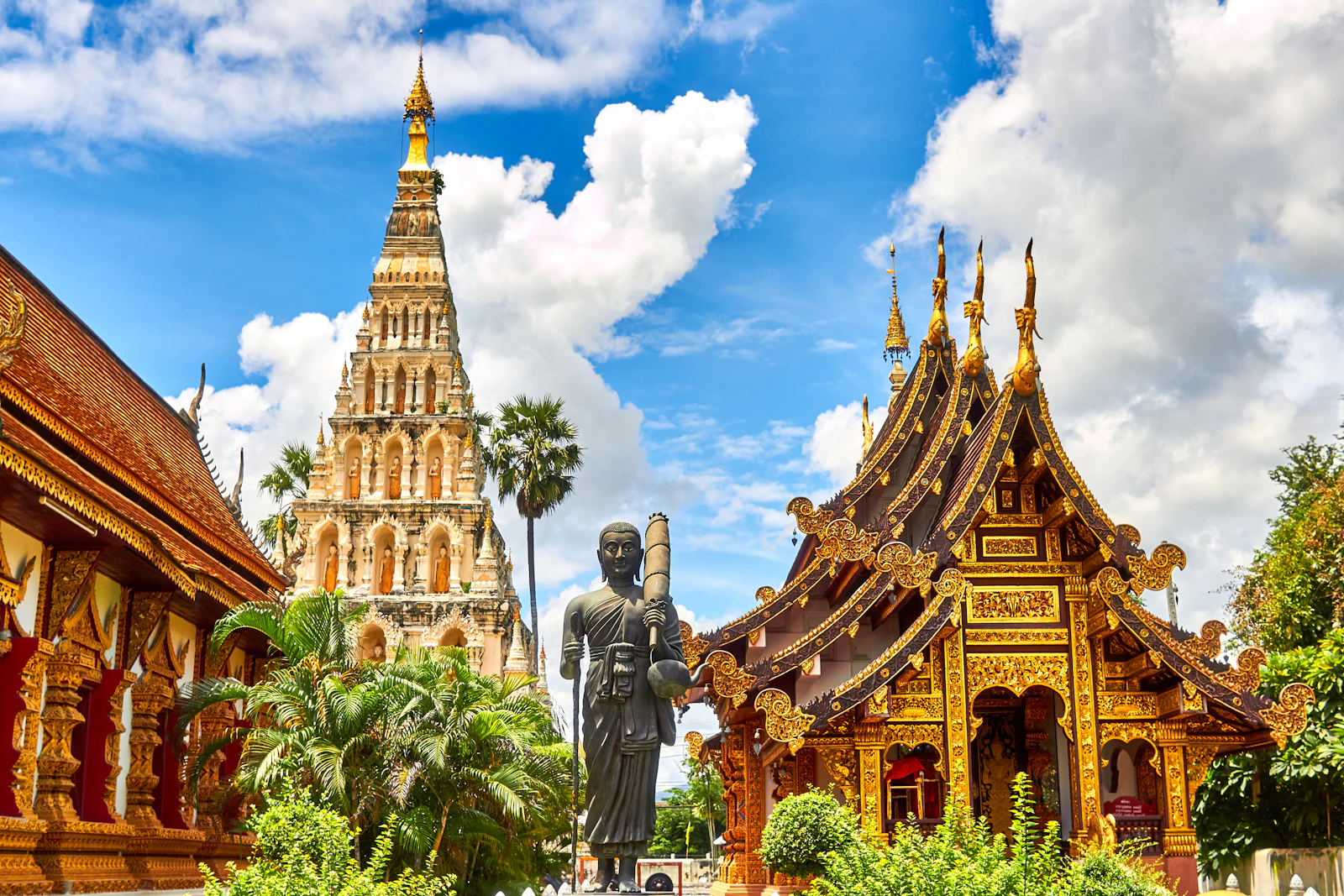
Seven days in Thailand on a realistic budget
Bangkok, Pattaya and Phuket in a week, costed honestly in taka — where the money actually goes, which tours are worth it and how to avoid the classic tourist traps.
Read article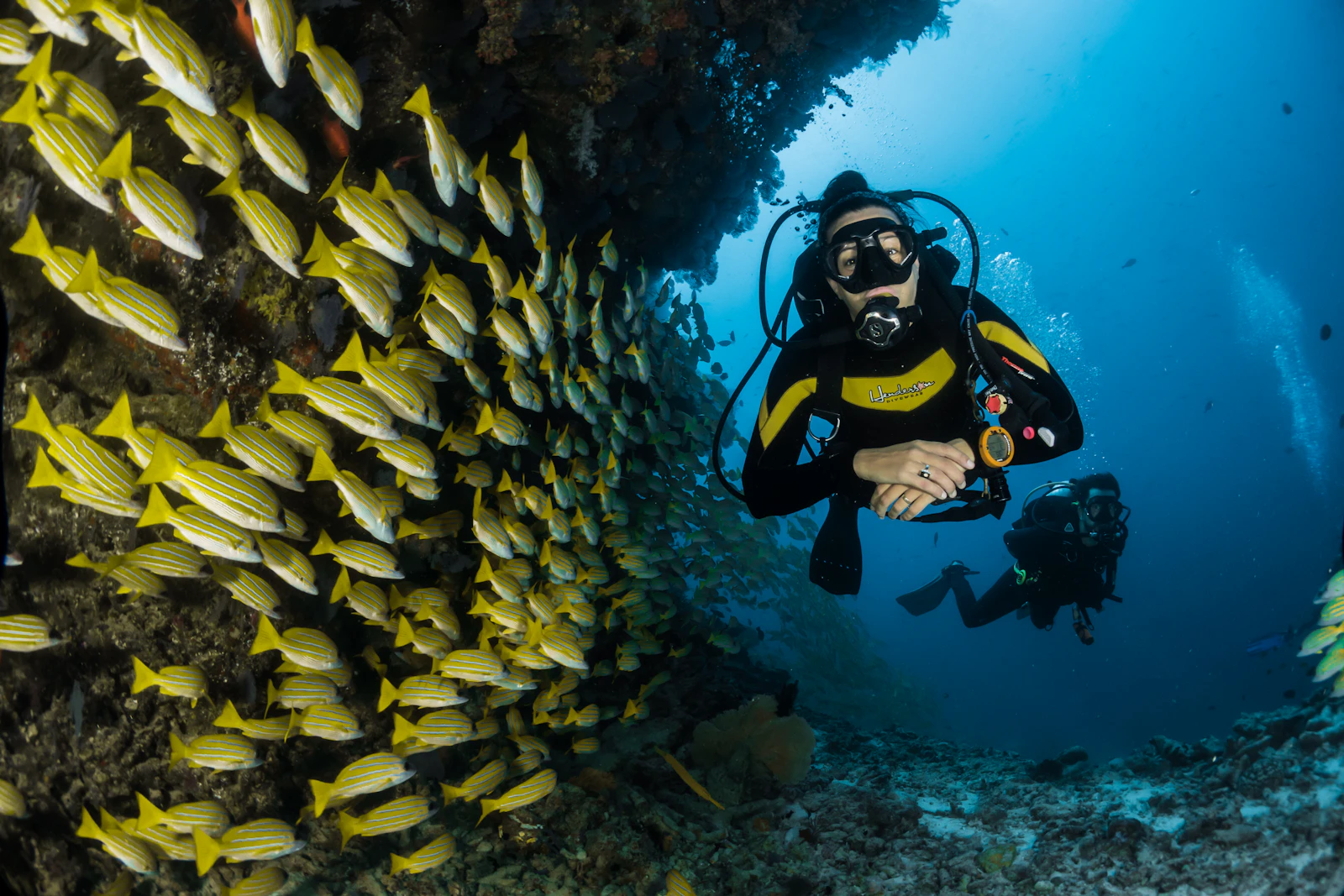 Destination Guides
A complete winter weekend in Cox's Bazar
Three days on the world's longest beach, planned properly: where to stay, how to get there, which beaches are worth the drive and what a realistic budget looks like.
Read article Visa & Documents
The Bangladeshi e-passport: renewal, delivery and travel timing
Your passport is the foundation of every visa application. Here is how e-passport renewal works in Bangladesh, how long it really takes, and the validity rules that catch travellers out.
Read article